Why Technology Is the Key to Achieving Sustainability Goals
Technology serves as a crucial driver in the pursuit of sustainability goals. It offers innovative solutions that enhance efficiency across various sectors, including renewable energy and smart agriculture. By leveraging advancements in data analytics, organizations can make informed decisions that optimize resource allocation. As these technologies evolve, their potential impact on sustainability strategies becomes increasingly significant. Understanding this relationship may reveal pathways that could transform efforts toward a more sustainable future.
The Role of Renewable Energy in Sustainable Development
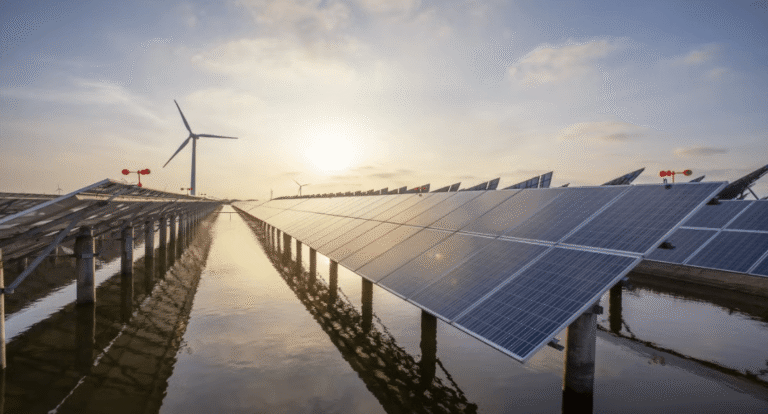
As the global community grapples with the pressing challenges of climate change and resource depletion, the transition to renewable energy emerges as a pivotal strategy for sustainable development.
Solar power and wind energy offer clean, abundant alternatives to fossil fuels. By harnessing these resources, societies can reduce greenhouse gas emissions, promote energy independence, and foster economic growth, ultimately paving the way for a sustainable future.
Innovations in Smart Agriculture for Increased Efficiency
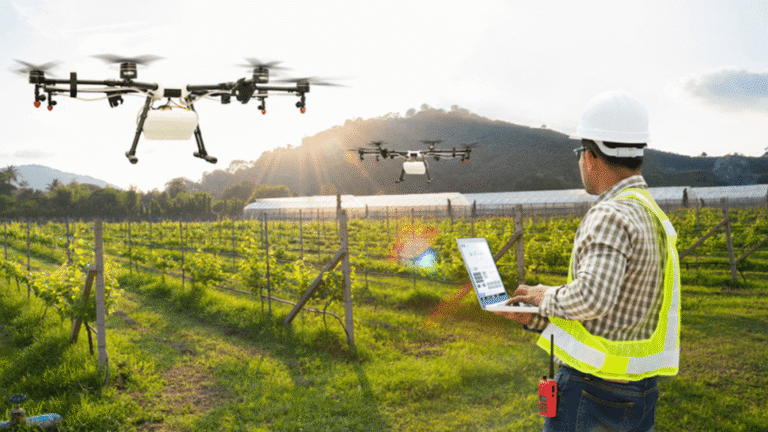
While traditional farming methods have served agriculture for centuries, the advent of smart agriculture technologies has revolutionized the sector by enhancing efficiency and sustainability.
Innovations such as precision farming optimize resource use, reducing waste and maximizing yield.
Additionally, vertical gardens promote urban farming, enabling food production in limited spaces.
These advancements empower farmers and contribute significantly to achieving broader sustainability goals.
Advancements in Waste Management Technologies
Although waste management has historically been a challenge, recent advancements in technology are transforming how waste is processed and recycled.
Innovations such as waste to energy systems and recycling automation are not only increasing efficiency but also reducing environmental impact.
These technologies enable communities to reclaim resources from waste, fostering a more sustainable future and empowering individuals to participate actively in environmental preservation.
The Impact of Data Analytics on Sustainability Strategies
Data analytics plays a crucial role in shaping effective sustainability strategies, enabling organizations to make informed decisions based on actionable insights.
Through data visualization, stakeholders can easily interpret complex information, fostering transparency and engagement.
Predictive modeling further enhances this process by forecasting future trends, allowing organizations to proactively address potential challenges and optimize resource allocation, ultimately driving meaningful progress toward sustainability goals.
Conclusion
In the grand tapestry of sustainability, technology serves as the weaver’s hand, deftly intertwining threads of innovation, efficiency, and insight. Like a vigilant gardener, it nurtures the seeds of renewable energy, smart agriculture, and waste management, ensuring they flourish in harmony with nature. As data analytics illuminates the path forward, communities stand united, empowered to cultivate a future where sustainability thrives. Embracing technology is not merely a choice, but a vital commitment to fostering a vibrant world for generations to come.